Follow the Dollar: A Backstage Tour of Where Your Theater Donation Actually Lands
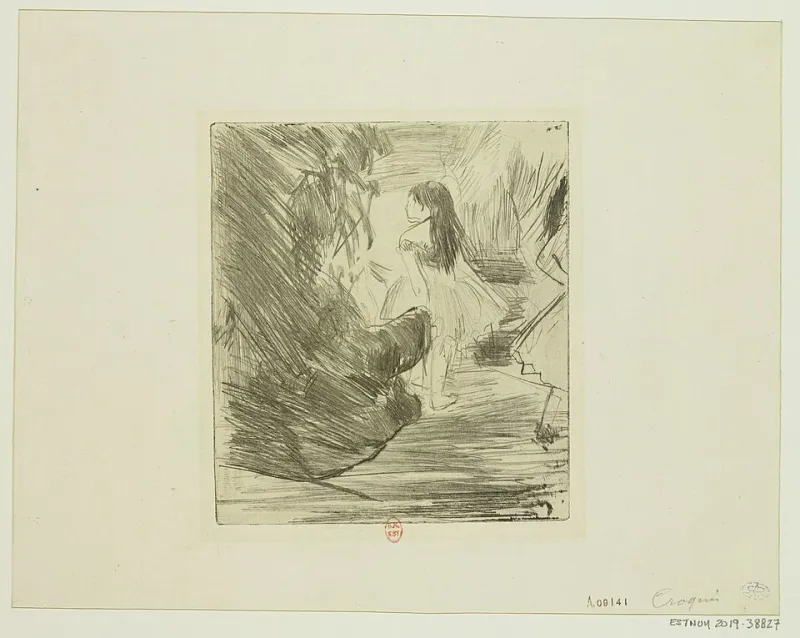
Photo: Degas, Edgar (1834-1917). Graveur, Public domain, via Wikimedia Commons
There's a moment in every nonprofit theater's fiscal year that nobody photographs: the night the artistic director sits at a folding table with a spreadsheet, doing math that decides whether the season lives or dies.
We wanted to know what actually happens to a $50 donation after it clears. So we called directors, managing producers, and board treasurers at small theaters in Ohio, New Mexico, Georgia, and Minnesota — places where the budget is measured in thousands, not millions — and asked them to walk us through it, line by line. What they shared was equal parts inspiring and quietly alarming.
The Royalty Bill Nobody Warns You About
Here's the first surprise for folks outside the industry: performing someone else's play costs money. Real money.
"People assume if we have the script, we can just do the show," says a managing director of a 99-seat theater in Columbus. "But licensing a well-known musical might run us $2,000 to $5,000 for a two-weekend run. That's before a single rehearsal."
Rights organizations like Concord Theatricals and Dramatists Play Service set those fees based on house size and ticket prices. It's the law, it's how playwrights eat, and it's often the single biggest line item a community theater faces — sometimes eating 20% of a production budget outright.
Gels, Gaff Tape, and the Price of Making Magic Look Cheap
After royalties come the materials. Lighting gels — the colored filters that turn a bare bulb into a sunset — cost a few dollars per sheet but add up fast. Batteries for wireless mics. Lumber for the set that gets built in someone's garage. The good tape. Always the good tape.
One Georgia director keeps a running joke on her whiteboard: "Budget: aspirational." Her actual annual operating budget? Around $68,000, which covers four full productions, a summer youth program, and utilities for a converted storefront space.
"We are the most efficient money-launderers in history," she laughs. "Except what we're laundering it into is catharsis."
The $0 Salary Problem
Now for the part that keeps arts administrators up at night: most of the people making the show happen aren't paid, or barely.
Our interviews turned up stage managers, music directors, and costume designers working for stipends that break down to less than minimum wage — or nothing at all beyond a thank-you in the program. These are skilled professionals, many with decades of experience, donating labor because they believe the work matters.
It's generous. It's also unsustainable, and every director we spoke with knew it.
"The people giving their nights away for free? They're not doing it because they have extra time," one Minnesota producer told us. "They're doing it because this room is where they feel most like themselves. Our job is to make sure that's never taken for granted."
What Your $50 Actually Buys
Do the math with us. At a typical small nonprofit:
- $50 covers the licensing fee for one performance of a lesser-known play
- $100 stocks the lighting booth with gels and gel frames for a season
- $250 builds a set piece — literally the lumber, screws, and paint
- $500 underwrites a youth scholarship for a summer program
No single gift carries the whole show. But every gift keeps a specific, tangible piece of it standing.
Why This Is Really an Investment in Your Town
Here's our editorial position, and we'll plant our flag on it: giving to community theater isn't charity. It's civic infrastructure.
When a town has a living, breathing theater, it gets more than entertainment. It gets a place where a retired machinist and a high school junior share a stage and see each other as equals. It gets a venue where local stories get told before they get polished. It gets a third space that isn't a bar or a church — increasingly rare real estate in American life.
The theaters we spoke with return that investment in visible ways: partnerships with schools, pay-what-you-can performances, lobby displays of work by local visual artists. The money doesn't leave. It multiplies in the same zip code.
The Ask, Stated Plainly
If you've ever cried at a community production of Our Town, if your kid found their people in a summer musical, if you believe a town without art is just a collection of buildings — then the spreadsheet at that folding table is partly your business.
The next time a local company asks for support, know that you're not funding glamour. You're funding royalties paid on time, tape that holds, and a stage manager who can finally, someday, get paid. That's not overhead. That's the whole operation, running on faith and your fifty bucks.